Describe what changed
Note when the problem appeared, whether it is growing and if it is worse after rain. Include any recent digging or heavy vehicle use.
A sunken patch, a pothole or a worn surface does not always mean a full replacement. Start by understanding what is happening beneath it.
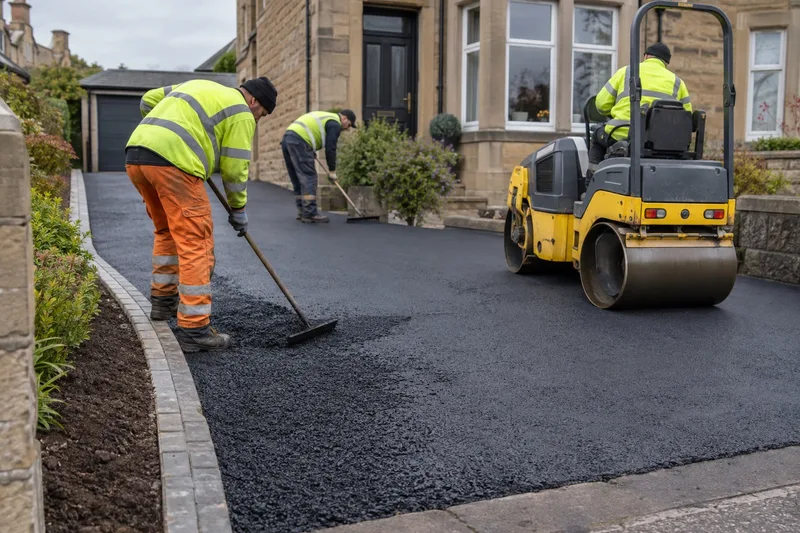
The right repair depends on the material and the cause. Individual monoblock areas may be lifted and re-laid; local tarmac damage may need a properly prepared patch. A stable but worn drive may be a candidate for resurfacing.
An overlay is a surface treatment, not a cure for an unstable base or unresolved drainage. Recurring movement, spreading cracks or standing water should be assessed before choosing the cheapest-looking option.
Note when the problem appeared, whether it is growing and if it is worse after rain. Include any recent digging or heavy vehicle use.
Sunken blocks, crumbling tarmac edges and water-filled depressions need different responses. Repair the construction problem as well as the visible damage.
New materials can contrast with weathered surfaces. Ask how the repair will look and whether a broader section would give a more consistent result.
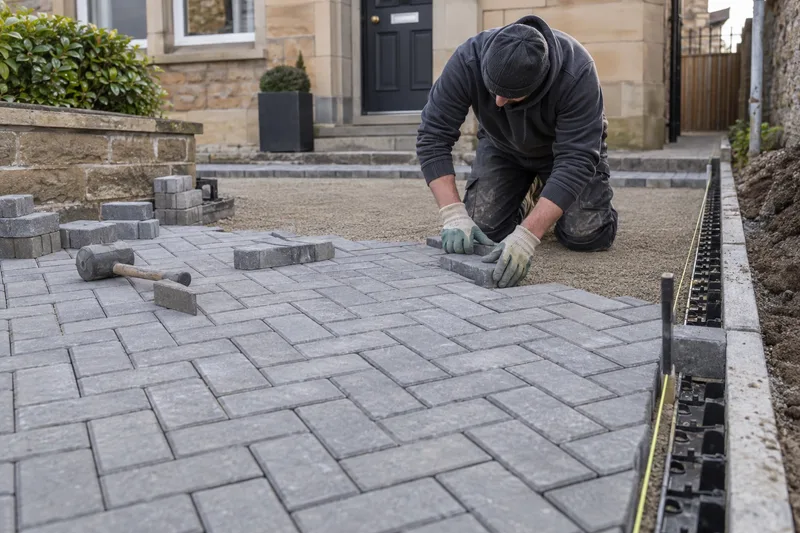
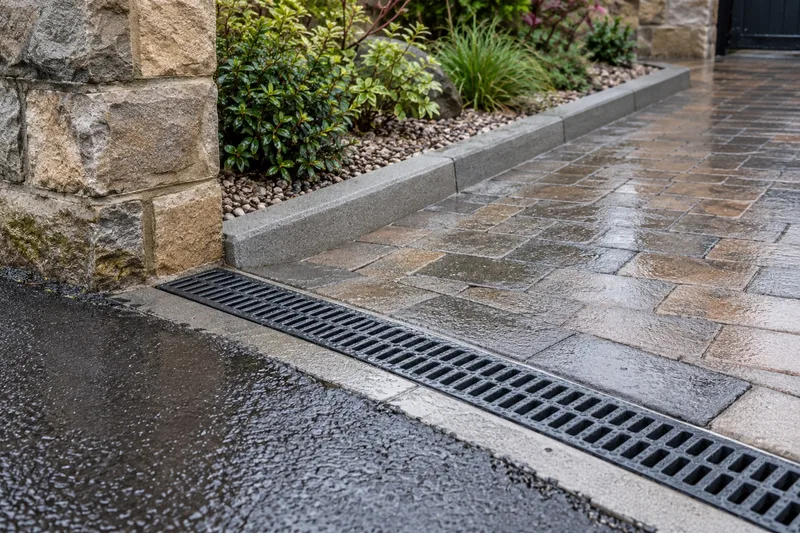
A sunken or damaged section can leave part of a driveway unused. If that pushes a car onto the pavement, assess the cause and repair options before paying for a larger replacement.
Give the same project details when comparing options. A surface price alone rarely tells the whole story.
Understand the cost factorsPothole repairs should include assessment of the surrounding material and base. Simply filling the hole may not address why it formed.
Not necessarily. A local section may be repairable if the remaining construction is sound and the underlying cause is resolved.
Provide the site location, vehicle types and access constraints. Commercial work needs its own scope and capability confirmation before a quotation is arranged.
Tell us what you have in mind, where you are and how you use the space.