Identify the material
The approach for concrete monoblock may differ from resin, tarmac or natural stone. Follow the relevant manufacturer’s care guidance.
Bring attention back to the surface, not the moss or stains. Choose a cleaning method that suits your driveway and preserves its joints and finish.
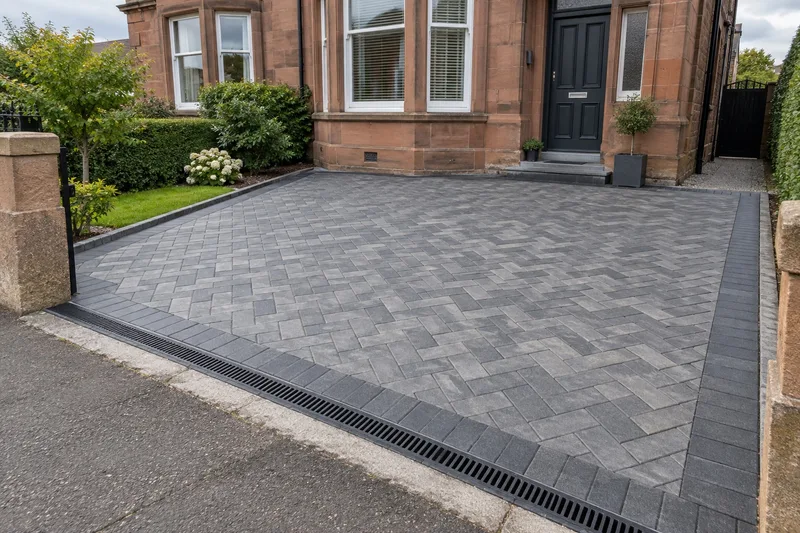
Cleaning may improve the appearance of an otherwise sound driveway. The starting point is identifying the surface, its condition and any existing sealant. A suitable clean should be followed by any necessary joint restoration or material-specific aftercare.
Aggressive pressure or an unsuitable chemical can damage a surface. Oil staining may not disappear completely, and sealing is not a substitute for repairing settlement or fixing drainage.
The approach for concrete monoblock may differ from resin, tarmac or natural stone. Follow the relevant manufacturer’s care guidance.
Plan where cleaning water will go and protect planting and nearby surfaces. Disturbed jointing may need restoring with the right material.
Check product compatibility, surface dryness, appearance and slip considerations. Not every surface needs or benefits from a sealer.
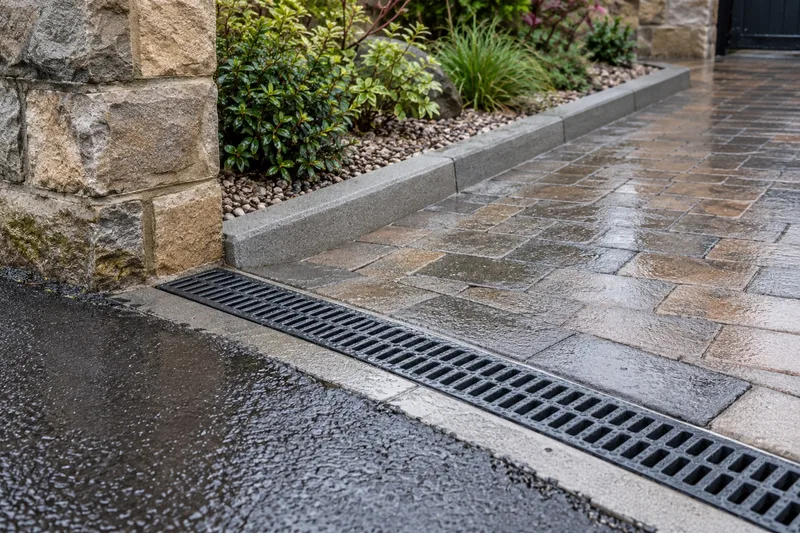
Cleaning can improve an existing surface, but it cannot add room for another car. If parking space is the real concern, consider the layout, repairs or widening alongside surface care.
Give the same project details when comparing options. A surface price alone rarely tells the whole story.
Understand the cost factorsResults depend on the surface, the spill and how long it has been there. Complete removal should not be promised before assessment.
No. Seeds and debris can settle on a driveway over time. Suitable cleaning and joint care remain important.
No. Start with the manufacturer’s guidance and the condition of the surface. More pressure can create damage rather than a better result.
Tell us what you have in mind, where you are and how you use the space.